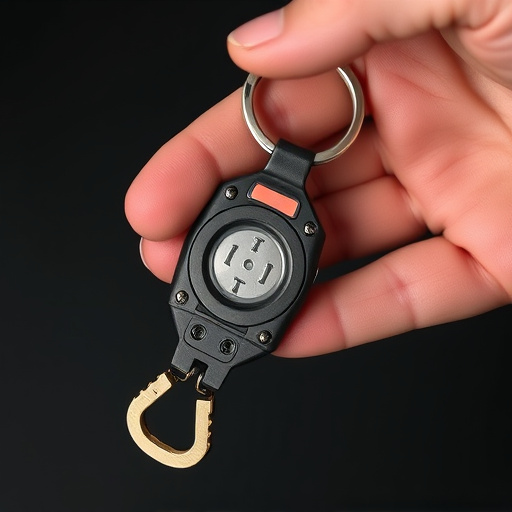
The modern keyring is more than just a convenience—it's a portable personal security tool. Understanding the best keychain weapon striking points (like the top of the hand, temples, and jawline) ensures peace of mind. Crafting an effective protection keyring requires strategic material choice, thoughtful design, and secure locking mechanisms. Regular maintenance and practice are vital for reliable self-defense in unexpected situations, adhering to local laws when using it as a last resort.
In today’s unpredictable world, personal protection is paramount. For a compact, always-on solution, consider your keyring—not just for keys, but as an emergency defense tool. This guide explores the life-saving features of modern keyrings, from understanding their potential to mastering the best keychain weapon striking points. We’ll delve into material choices, practical use cases, and maintenance tips, ensuring your keyring is a reliable companion when you need it most.
- Understanding Your Keyring's Potential: Unlocking Life-Saving Features
- Best Keychain Weapon Striking Points: A Comprehensive Guide
- Choosing the Right Materials and Design for Maximum Protection
- Practical Use Cases: When and How to Deploy Your Keyring Defense Tool
- Maintenance and Safety Tips: Ensuring Your Keyring Remains a Reliable Emergency Companion
Understanding Your Keyring's Potential: Unlocking Life-Saving Features
Understanding the potential of your keyring goes beyond its primary function of unlocking doors. Many modern keyrings incorporate a range of emergency features designed to save lives and provide security in unexpected situations. From self-defense tools to survival kits, these compact devices can be powerful allies when faced with emergencies. Unlocking these life-saving features is as simple as knowing where they are hidden within the ring’s design.
The best keychain weapon striking points often include a sturdy metal ball or spike designed for impact and penetration. These points can serve multiple purposes; they can deter attackers, break windows in an emergency escape, or even provide leverage to unlock stuck doors. By integrating these features into your keyring, you gain a versatile tool that offers peace of mind and increased personal security without sacrificing portability.
Best Keychain Weapon Striking Points: A Comprehensive Guide
When considering a keychain for personal protection, understanding the best striking points is key. These are areas designed to maximize impact and disable an assailant quickly. The top of the hand, just below the knuckles, is a highly effective target due to its sensitivity and proximity. A well-placed strike here can cause significant pain and even temporarily incapacitate an attacker.
Additionally, the sides of the head, especially around the temples, and the jawline are crucial areas. These spots are less guarded but incredibly vulnerable. Striking these regions with force can stun or disorient an assailant, providing you with a chance to escape. Practice and familiarity with your keychain’s features are essential to ensure accurate and effective strikes in high-pressure situations.
Choosing the Right Materials and Design for Maximum Protection
When crafting a personal protection keyring, selecting the right materials and design is paramount to ensuring maximum safety. Look for components made from high-strength alloys or durable plastics that can withstand impact and force without fracturing. Certain designs prioritize specific striking points, such as the temples (the sides of the head) or the jawline, which are particularly vulnerable during a physical encounter. Incorporating these strategic elements into your keyring allows for effective self-defense in a compact form factor.
The best keychain weapon should balance functionality with aesthetics. Consider sleek designs that don’t make you stand out as a potential threat but still offer reliable protection. Ergonomic grips and secure locking mechanisms are also crucial features to guard against accidental deployment. By focusing on these aspects, you can create a personal protection keyring that serves both as an everyday accessory and a powerful defense tool.
Practical Use Cases: When and How to Deploy Your Keyring Defense Tool
In practical terms, a personal protection keyring is a versatile tool designed for unexpected situations. It’s more than just a fashion accessory; it can serve as a powerful self-defense mechanism when deployed strategically. Imagine finding yourself in a precarious situation, perhaps an encounter with an aggressor in a dark alley or a sudden attack while traveling alone. In such moments, having a compact and readily accessible keyring with hidden striking points can be a game-changer. The keyring’s small size allows you to keep it discreetly on your person, ensuring it’s there when you need it most.
The best keychain weapon striking points are often located along the edges or on specific tools attached to the ring. These areas can include small but sturdy spikes, sharp blades, or even simple yet effective prongs. When faced with an attack, users can quickly wrap their hand around the keyring and utilize these points to defend themselves by delivering precise strikes to sensitive areas of an assailant’s body. Practice makes perfect; it’s crucial to familiarize yourself with your keyring’s capabilities and learn the most effective striking techniques for self-defense in various scenarios.
Maintenance and Safety Tips: Ensuring Your Keyring Remains a Reliable Emergency Companion
Maintaining your personal protection keyring is crucial to ensure it remains a reliable emergency companion. Regularly inspect the keyring for any signs of wear, especially on the chains and connecting links. Lubricate the moving parts with a dry lubricant to prevent stiffness and ensure smooth operation when you need it most. Keep the keyring away from extreme temperatures and moisture, as these can damage the materials and compromise its functionality.
When it comes to safety, know the best keychain weapon striking points for maximum effectiveness. The ball of your thumb and the pad of your index finger are often considered the most powerful areas for a swift and accurate strike. Practice proper hand placement and grip to deliver a strong blow with precision. Familiarize yourself with local laws regarding self-defense tools and always use your keyring responsibly, only as a last resort in emergency situations.
In equipping yourself with a personal protection keyring, you’re not just carrying a convenient tool—you’re embracing preparedness. By understanding the best keychain weapon striking points and practical deployment strategies, your keyring can serve as a reliable emergency companion. Remember, knowledge is power; maintain your keyring’s integrity and stay alert for when its life-saving features might be needed.